
Top Products For Landscape Curb Edging Installations To Enhance Your Yard
Explore leading tools and materials designed to simplify curb edging projects and create a polished outdoor space.
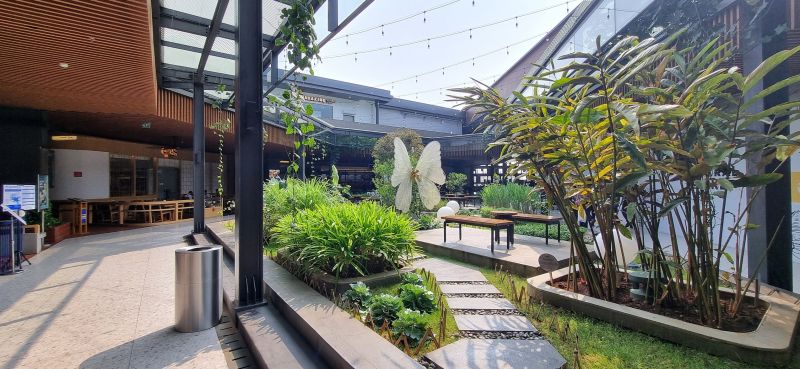 Landscape curb edging installations play a crucial role in defining the boundaries of garden beds, walkways, and lawn areas. They help create a neat, organized appearance and can prevent soil, mulch, or gravel from spreading into unwanted areas. Selecting the right products for curb edging involves understanding various materials, styles, and installation methods to ensure a durable and visually appealing result. Whether you're a DIY enthusiast or a professional landscaper, choosing appropriate edging solutions can make a significant difference in the overall landscape design.
Top Overall Option
Flexible Plastic Edging
Flexible plastic edging is a versatile and easy-to-install option that adapts well to curves and irregular shapes. It is lightweight, affordable, and available in various heights and colors, making it suitable for many landscape projects. Its flexibility allows for smooth, natural-looking borders, and it can be secured with stakes or clips for stability. While it may require periodic maintenance to prevent warping or cracking, it remains a popular choice for DIY landscapers seeking a straightforward edging solution.
Types of Products For Landscape Curb Edging Installations
Metal Edging
Metal edging provides a sleek, modern look and is often made from aluminum or steel. It is durable, resistant to pests, and can be shaped to create sharp or rounded edges. Suitable for both straight and curved borders, metal edging is a popular choice for long-lasting installations.
Plastic Edging
Plastic edging is lightweight and flexible, making it easy to install along curves and irregular shapes. It is available in various colors and heights, offering a budget-friendly option for defining landscape borders.
Concrete Edging
Concrete edging offers a sturdy and permanent solution, often cast in place or pre-formed. It can be textured or smooth and is suitable for creating clean, defined borders that require minimal maintenance.
Stone Edging
Stone edging adds a natural aesthetic to landscapes and can be arranged in various patterns. It is highly durable and blends well with natural surroundings, though installation may require more effort.
Brick Edging
Brick edging creates a classic, timeless look and is often used in traditional landscape designs. It can be laid in different patterns and provides a solid, stable border.
Rubber Edging
Rubber edging is flexible and shock-absorbent, making it suitable for play areas or zones with foot traffic. It is weather-resistant and easy to install.
Composite Edging
Composite edging combines wood fibers and plastic to produce a durable, low-maintenance border that mimics natural wood while resisting rot and pests.
Wood Edging
Wood edging offers a natural appearance and is easy to install. It is best suited for low-traffic areas and requires periodic maintenance to prevent rot.
Interlocking Edging Blocks
Interlocking blocks are designed for quick assembly and provide a stable, uniform border. They are available in various materials, including concrete and stone.
Lawn Edging Trims
Lawn trims are narrow, flexible strips that help create clean edges along lawns and flower beds, often used for quick, precise border definition.
Wire Edging
Wire edging is a simple, flexible solution that can be shaped to fit curves and irregular borders, often used in vegetable gardens and flower beds.
Pre-cast Concrete Borders
Pre-cast concrete borders are manufactured in specific shapes and sizes, offering uniformity and ease of installation for defined landscape boundaries.
Decorative Edging
Decorative edging includes ornate metal, stone, or composite options designed to add visual interest and complement landscape aesthetics.
Adjustable Edging Systems
Adjustable edging systems allow for customization of height and shape, providing flexibility for complex landscape designs.
Popular Choices
Flexible plastic edging remains a popular choice for its ease of installation and adaptability to curves.
Metal edging is favored for its sleek appearance and durability in defining clean landscape borders.
Concrete edging is often selected for its strength and low maintenance requirements.
Stone edging appeals for natural aesthetics and long-lasting performance.
Brick edging is popular for traditional landscape designs and its classic look.
Rubber edging is increasingly used in play areas and zones requiring impact absorption.
Composite edging offers a low-maintenance alternative that mimics natural materials.
Wood edging remains a favorite for its natural look and ease of installation.
Interlocking blocks provide quick installation and a uniform border appearance.
Pre-cast concrete borders are chosen for their consistency and ease of setup.
There is a wide array of products designed for curb edging, each suited to different aesthetic preferences and functional needs. Some options are flexible and easy to install, ideal for curved or intricate designs, while others are rigid and provide a more defined, structured edge. Material choices range from metal and plastic to concrete, stone, and composite materials, each offering unique advantages in terms of longevity, appearance, and ease of maintenance.
Proper installation is essential to maximize the lifespan and effectiveness of curb edging products. Many products come with specific installation instructions, and some may require additional tools or accessories such as stakes, connectors, or adhesive. It's important to consider the specific landscape conditions, such as soil type and foot traffic, to select an appropriate product that can withstand environmental stresses over time. Investing in high-quality edging can help maintain a clean, professional look for outdoor spaces for years to come.
Key Buying Considerations
- Material durability and resistance to weathering
- Ease of installation and required tools
- Compatibility with landscape style and design
- Flexibility for curved versus straight borders
- Height and width options to match landscape needs
- Color options to complement existing features
- Maintenance requirements over time
- Cost and overall budget constraints
- Compatibility with soil type and terrain
- Stability and anchoring methods to prevent shifting
- Resistance to pests, rot, or corrosion
- Ability to withstand foot traffic or heavy loads
- Aesthetic appeal and visual integration with surroundings
- Availability of accessories like stakes or connectors
- Environmental considerations, if applicable
This page contains affiliate links. We may earn a commission if you purchase through these links, at no additional cost to you.