Get Wood Chips Installation
Local contractors offer Wood Chips Installation services to improve landscaping, control weeds, prevent erosion, and enhance outdoor projects for property owners.
If you’re considering a wood chips installation for your property, you’re in the right place to explore your options. Many property owners find that adding wood chips can enhance landscape aesthetics, improve ground coverage, or help with weed control and soil health. Planning such projects involves understanding the different types of wood mulch available and how they can best serve your outdoor space, making it helpful to compare local contractors who specialize in this work.
By browsing your local service providers, you can discover experienced contractors who can handle wood chips installation tailored to your property's needs. Whether you’re updating an existing landscape or starting fresh, exploring your local options ensures you find the right professionals to assist with your project planning and execution. Keep reading to learn more about the benefits and considerations of wood chips installation in your area.
- Wood Chips Installation - homeowners seeking to improve landscaping with mulch or ground cover can benefit from local contractors skilled in wood chip placement.
- Playground Mulching - schools or parks needing safe, durable surfacing for play areas often require professional wood chip installation.
- Garden Bed Mulching - gardeners looking to retain soil moisture and suppress weeds may need expert services for proper wood chip layering.
- Erosion Control - properties experiencing soil erosion on slopes or vulnerable areas can rely on local pros to install wood chips as a natural barrier.
- Pathway and Trail Creation - outdoor spaces requiring natural walking paths or trail surfaces can be enhanced with professional wood chip installation services.
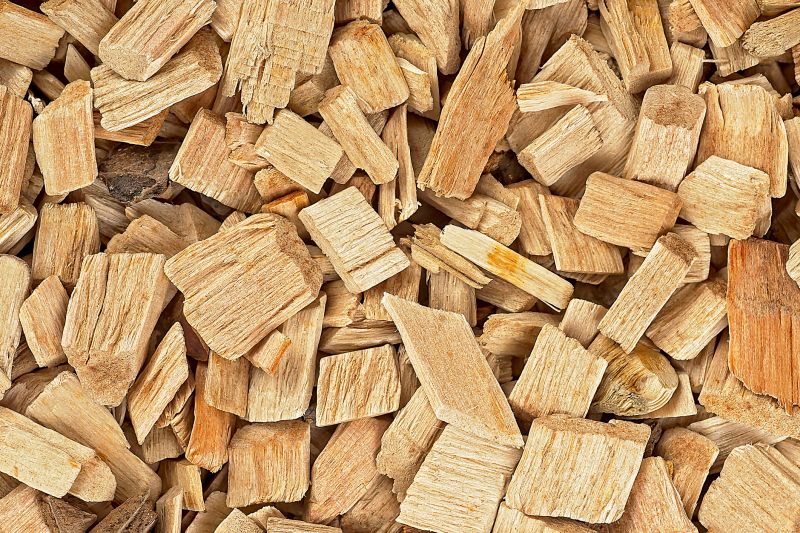
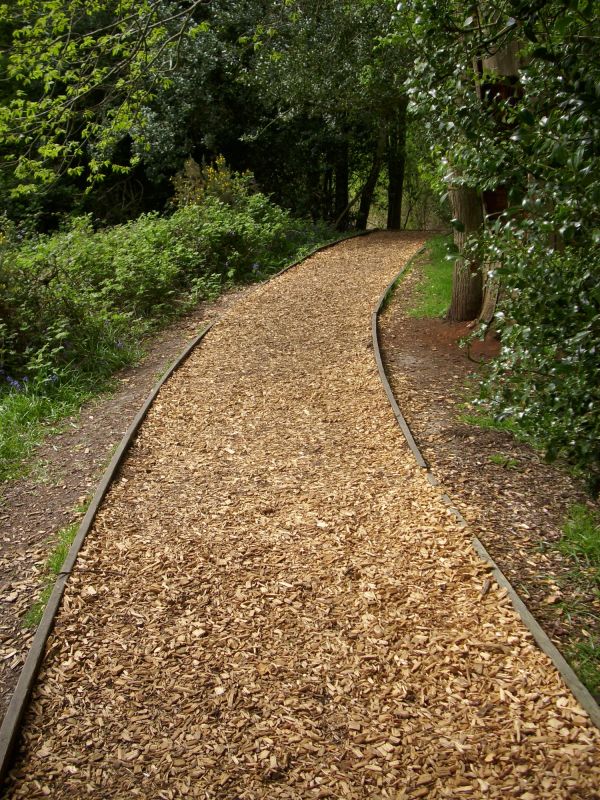
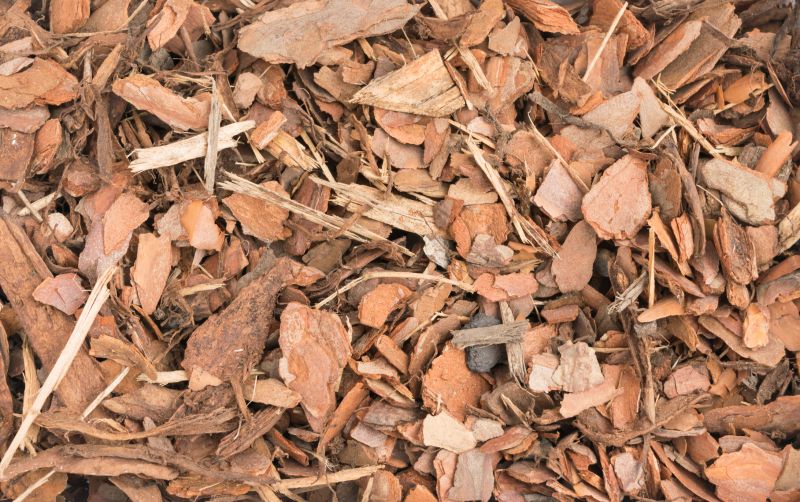
Wood chips installation services involve spreading a layer of wood chips over designated areas of a property, typically for landscaping, ground cover, or decorative purposes. This process often includes preparing the existing surface, such as removing weeds or debris, and then distributing the wood chips evenly to achieve a natural, attractive appearance. Skilled contractors can customize the depth and coverage to suit the specific needs of the property, ensuring a uniform and durable finish that enhances the overall landscape.
This service helps address several common property concerns. It can serve as an effective weed barrier, reducing the growth of unwanted plants and minimizing maintenance efforts. Wood chips also provide insulation for the soil, helping to regulate temperature and moisture levels, which can benefit garden beds and plant health. Additionally, the installation of wood chips can improve safety by creating slip-resistant walkways and reducing erosion on sloped areas, making outdoor spaces safer and more functional.
Properties that typically utilize wood chips installation include residential yards, community parks, school grounds, and commercial landscapes. Homeowners often choose this service to create natural-looking garden paths, mulch garden beds, or define outdoor play areas. Larger properties, such as parks or business complexes, may use wood chips to manage large expanses of landscaped ground efficiently. The versatility of wood chips makes them suitable for a variety of outdoor environments where a natural aesthetic and functional ground cover are desired.
Homeowners who want to improve their yard’s appearance, control weeds, or protect soil from erosion might find wood chips installation to be a practical solution. It is also a good choice for those seeking a low-maintenance, cost-effective way to enhance outdoor spaces. Local contractors can assess the property’s specific needs and recommend appropriate coverage and installation techniques, helping ensure the finished landscape meets both aesthetic and functional goals.
The overview below groups typical Wood Chips Installation projects into broad ranges so you can see how smaller, mid-sized, and larger jobs often compare in your area.
In many markets, a large share of routine jobs stays in the lower and middle ranges, while only a smaller percentage of projects moves into the highest bands when the work is more complex or site conditions are harder than average.
Smaller Projects - Installing wood chips for small landscaping areas typically costs between $250 and $600. Many routine jobs fall within this range, depending on the size and complexity of the area. Fewer projects reach the higher end of this spectrum.
Medium-Size Installations - Larger landscaping projects or multiple beds generally cost between $600 and $1,500. Local contractors often handle these within this range, with costs varying based on the area’s size and soil conditions. Larger, more complex jobs can push beyond this range.
Full Yard Covering - Complete coverage of an entire yard with wood chips usually falls between $1,500 and $3,000. Many service providers can complete these projects within this band, though larger or intricate landscapes may increase costs.
Complete Replacement or Large-Scale Projects - Extensive or complex installations, such as replacing old mulch over large properties, can range from $3,000 to over $5,000. These projects are less common but are handled by local pros for larger, more involved jobs.
Actual totals will depend on details like access to the work area, the scope of the project, and the materials selected, so use these as general starting points rather than exact figures.
Mulch and Ground Cover Installation - local contractors skilled in installing mulch and ground covers share techniques with wood chips installation, including site preparation and material spreading.
Landscape Bed Preparation - planning and preparing landscape beds involves similar skills in soil grading, edging, and surface layering as wood chips installation.
Garden Pathway Construction - building garden pathways with gravel or stone requires planning, site leveling, and material placement comparable to installing wood chips.
Tree Mulching Services - applying mulch around trees involves precise spreading and layering, akin to wood chips installation for landscape aesthetics and health.
Playground Surfacing Installation - installing safety surfacing using wood chips or similar materials requires site assessment, material spreading, and safety considerations.
Erosion Control Projects - using wood chips or similar ground cover for erosion prevention involves planning, site preparation, and material application by local service providers.
When comparing service providers for wood chips installation, it’s important to consider their experience with similar projects. Homeowners should look for local contractors who have a proven track record of handling landscape mulching or wood chip installation jobs comparable in size and scope. An experienced provider is more likely to understand best practices, common challenges, and effective techniques, which can contribute to a smoother process and a more satisfactory outcome.
Clear, written expectations are essential when evaluating potential local pros. Homeowners should seek detailed proposals or work plans that outline the scope of work, materials to be used, and any specific responsibilities of the contractor. Having these details in writing helps ensure everyone is aligned from the start and minimizes misunderstandings during the project.
Reputable references and strong communication are key factors in selecting reliable service providers. Homeowners are encouraged to ask for references from past clients who had similar work done and to inquire about their experiences. Additionally, service providers who communicate clearly, respond promptly to questions, and provide thorough information demonstrate professionalism and a commitment to customer satisfaction. These qualities can make the process of installing wood chips more straightforward and stress-free.
Property owners use Wood Chips Installation services for practical projects around their homes and businesses. This guide focuses on everyday jobs and straightforward project options.
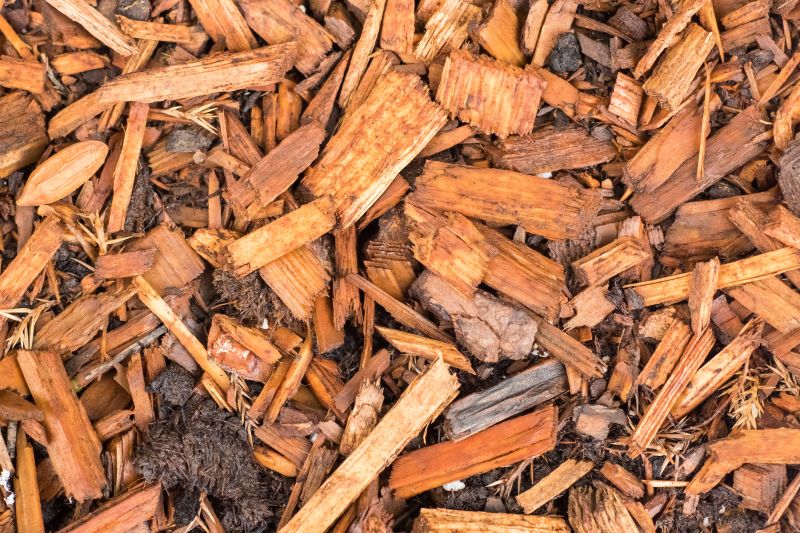
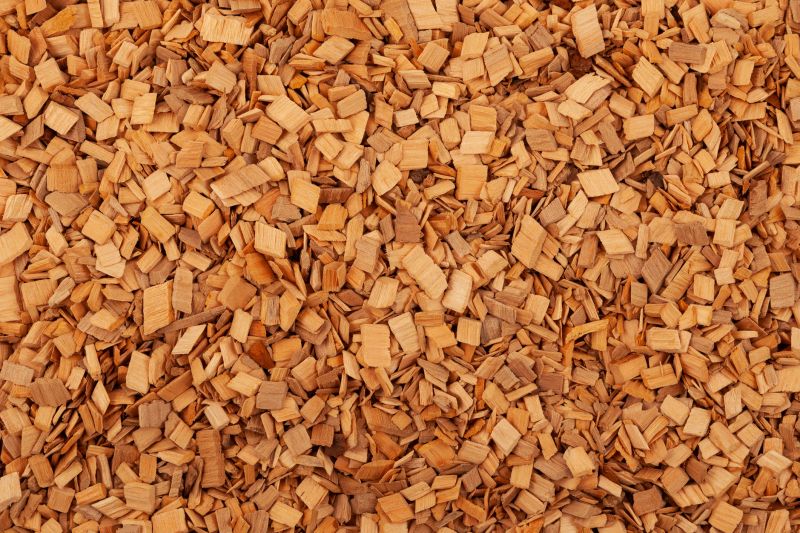
Wood chips installation is a common project for property owners looking to enhance their outdoor spaces. Whether it's for creating a natural play area for children, reducing weed growth in garden beds, or adding a decorative touch to pathways and landscaping, many residents seek local contractors who specialize in this service. Property owners often turn to local pros to help achieve a clean, finished look that improves both functionality and appearance of their yards.
In addition, property owners might look for wood chips installation when upgrading existing landscaping or managing soil erosion. Local service providers can assist with spreading and layering wood chips efficiently, helping to maintain healthy soil and minimize maintenance efforts. These projects are typically straightforward, making it easy for local contractors to provide practical solutions tailored to individual outdoor needs.
What are wood chips used for in landscaping? Wood chips are commonly used for mulch, weed suppression, and decorative ground cover in gardens and landscaping projects.
How do local contractors prepare the area for wood chip installation? Contractors typically clear the area of debris, level the ground, and sometimes add a weed barrier before spreading the wood chips.
Are there different types of wood chips available for installation? Yes, various types include hardwood, softwood, and dyed or natural options, depending on aesthetic preferences and functional needs.
What factors influence the choice of wood chips for a project? Factors include the intended use, desired appearance, durability, and compatibility with the landscape environment.
How do local service providers ensure proper installation of wood chips? They follow best practices for spreading and depth, ensuring even coverage and proper anchoring to prevent displacement over time.
Garden Mulching - Local contractors can install wood chips to create a natural mulch layer around plants and flower beds, helping to retain moisture and reduce weeds.
Play Area Safety - Wood chips can be used to cover play zones in yards, providing a soft surface for children’s outdoor activities.
Pathway and Border Edging - Service providers can lay wood chips along walkways or garden borders to define spaces and add a rustic look.
Erosion Control - Wood chips can be applied on slopes or bare soil areas to help prevent erosion and improve landscape stability.
If you are thinking about Wood Chips Installation for a property, this guide is meant to help you understand the work, the typical project types, and how different options might fit your plans.
When you are ready, you can use the quote form on this page to share a few details about your project. From there, local pros can review the basics and respond with options that match what you have in mind.